Choosing vehicles for a transfer program
Six vehicle types, each supplied with a driver by an accredited, insured partner operator. Programs often mix them: a coach for the main group, a car for the keynote speaker.
Size against headcount and bags
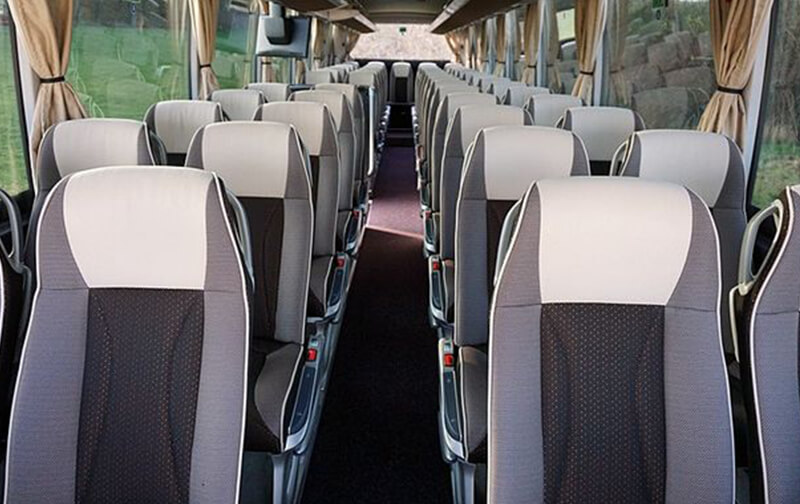
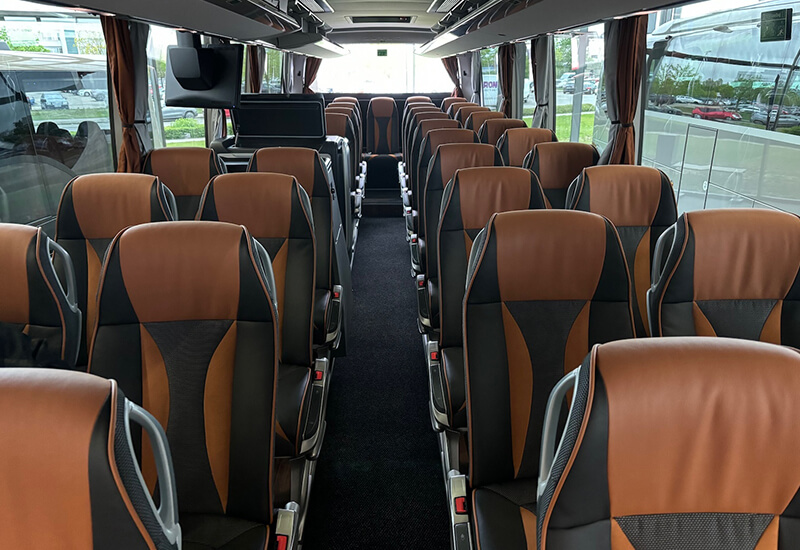
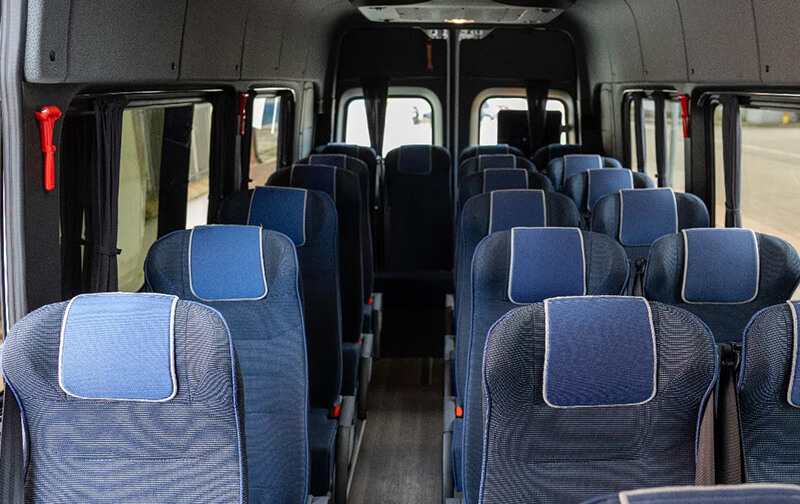
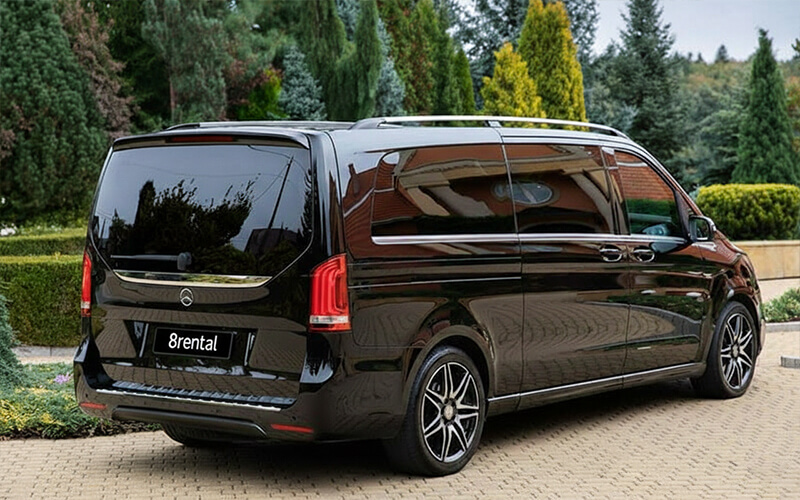
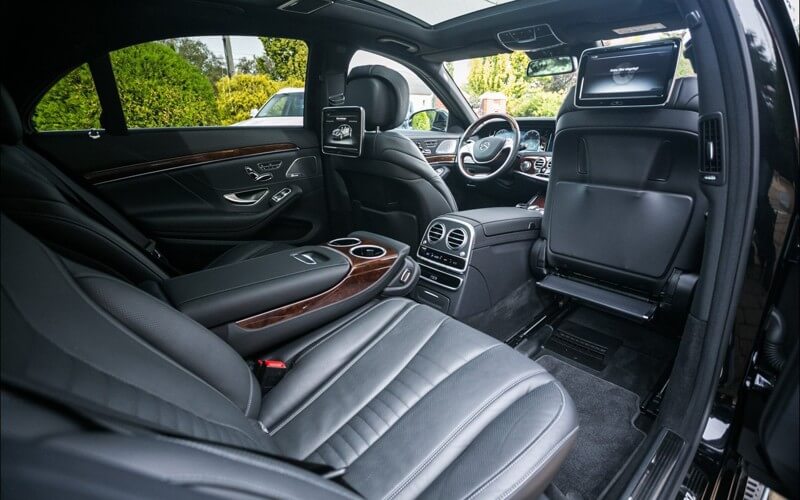
A full-size coach typically seats 45 to 57 with underfloor bays; a midi coach 25 to 35; a minibus 13 to 24, with rear luggage space that shrinks when every seat is taken; an executive Sprinter 10 to 11; an executive car one to three. For airport work, count bags first: delegates with suitcases can outgrow a minibus before the seats run out.
Size changes the rules
Perth Airport splits its bus zones by category, and each vehicle uses the zone for its size. Launceston sorts Commercial Lane permits into three bands by seat count. A bus over 4.5 t GVM built for more than 12 adults falls under Heavy Vehicle National Law fatigue rules, except in Western Australia and the Northern Territory, which run their own.
Questions
Will the quote name the exact vehicle?
It names the type and seat count. The operator allocates the specific vehicle from what is available on the date.
Do coaches have seat belts?
Seatbelt and seat-strength rules under ADR 68 apply to heavy buses and coaches built from mid-1994 onwards; route-service buses sit outside them. If belts matter for your group, say so and the operator confirms.
One vehicle or two?
For split arrivals or tight venues, two smaller vehicles often work better than one coach. Ask for both options.
Choose a vehicle
- Full-size coach — 45-57 seats
- Midi coach — 25-35 seats
- Minibus — 13-24 seats
- Executive Sprinter van — 10-11 seats
- Executive car (sedan or SUV) — 1-3 seats
- Wheelchair-accessible minibus — Varies by layout; wheelchair positions replace seats seats
Unsure which size fits?
Give us the passenger count and bag volume, and we will propose a vehicle mix.
Request a quote or call +61485016608